Beyond the Desk

September 13, 2026

grok-image-878af91f-6d17-43e3-89aa-20e05acc10fc (1)

For the mid-career professional, the workday does not terminate with the closing of a laptop; it transitions into a critical phase of recovery. However, this transition is frequently sabotaged by a persistent, high-friction question: "What’s for dinner?" After a day of intense cognitive output, the decision-making fatigue sets in, often leading to a choice between the tourist-heavy restaurants of Playa de Palma or the cognitive tax of subpar nutrition and isolated dining in a sterile Airbnb.

This is more than a culinary inconvenience—it is a design flaw in your productivity cycle. In a meticulously architected micro-coliving environment, the kitchen is repurposed from a utility space into a restorative ritual. It is the mechanism that allows you to decompress from professional output while nourishing the body and building genuine, high-value connections.
The High Cost of the "Tourist Diet"

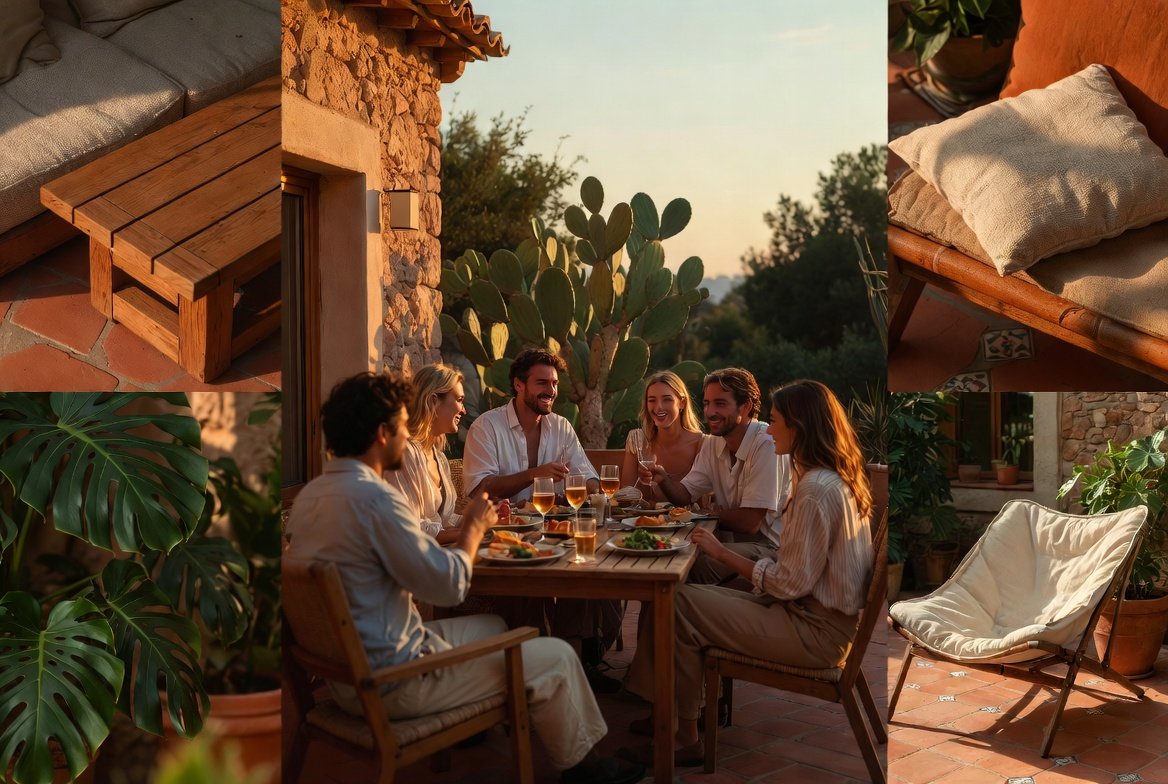
Relying on the "tourist diet" is a liability to both your capital and your biological performance. In the S’Arenal area, even the "Menu del día"—often touted as a budget win at €12–16—cannot compete with the ROI of a high-functioning kitchen. Based on current projections for the upcoming 2026 season, the financial drain of eating out is staggering when contrasted with intentional home cooking.

  • Average Restaurant Meal: €12–€35 per person (including service and the inevitable "location premium").
  • High-Quality Home-Cooked Meal: €4–€6 per person (utilizing fresh, local Mediterranean ingredients).
  • Monthly Grocery Budget: €250–€400 (for premium, organic, or specialty items).
  • Dining Out Default: €800–€1,500+ per month.

By reclaiming control over your nutrition, you secure an annual savings of €3,600 to €8,000.

"For the professional who views their environment as a tool for excellence, the kitchen is the ultimate high-ROI amenity: it protects the two most valuable assets—energy and capital."

Connection Without the Cringe: The Power of Informal Buffets

As a productivity strategist, I recognize that "forced networking" is an inefficient use of social energy. Genuine trust is built through shared, low-stakes activities. This is where the "informal buffet-style" dinner outperforms any scheduled mixer.

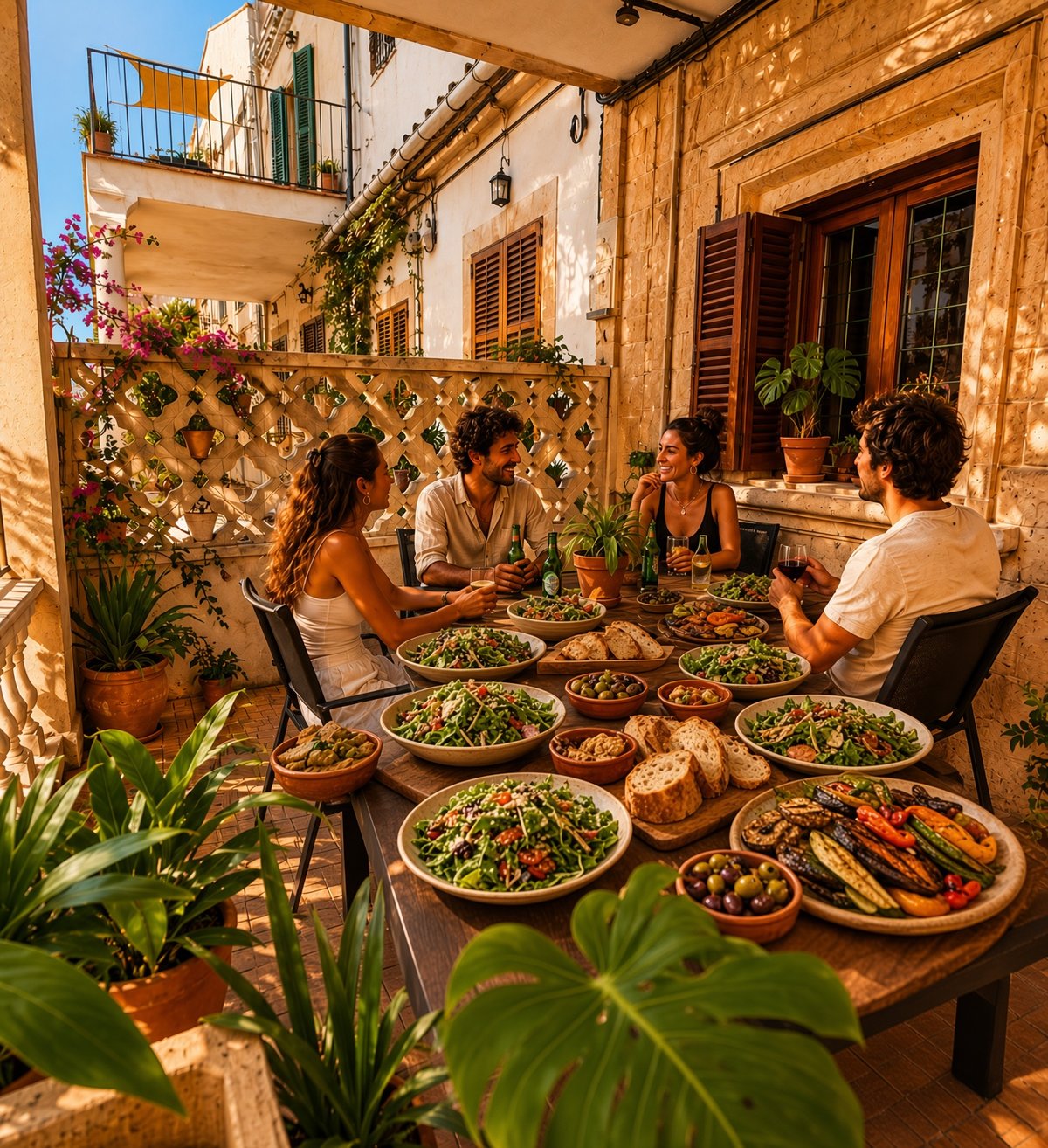
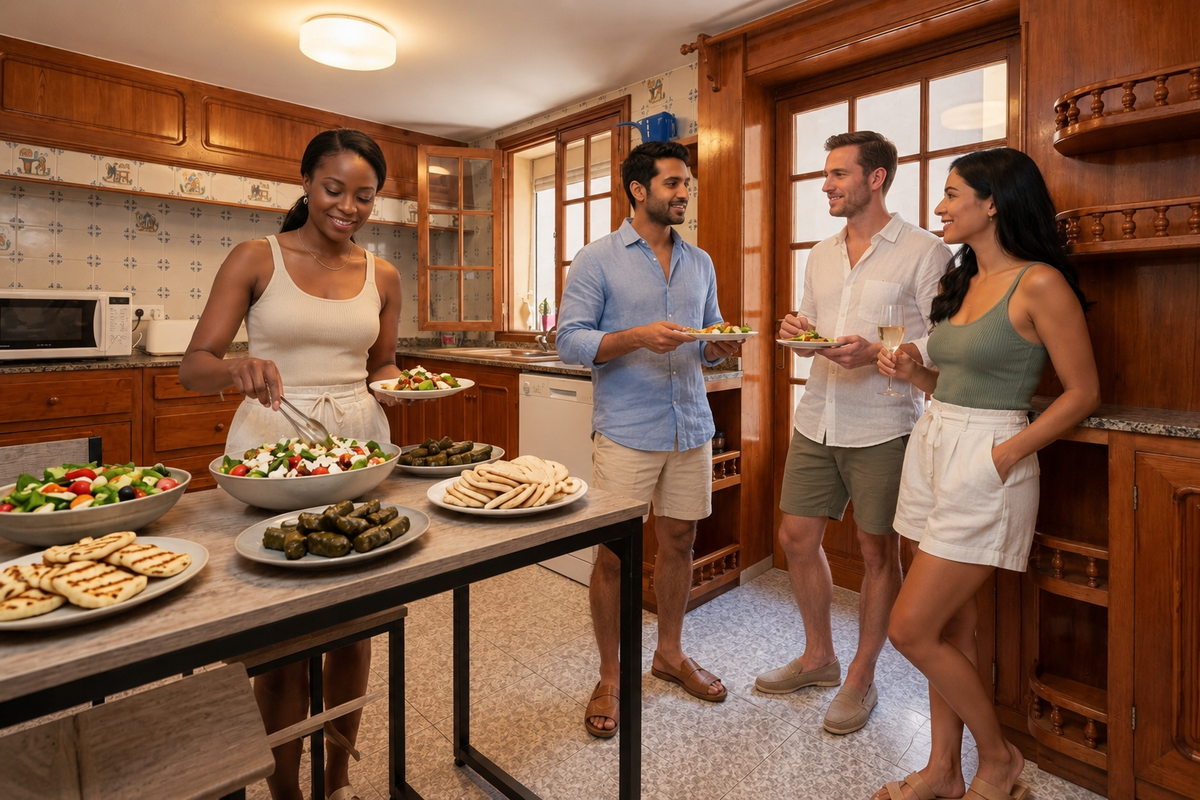
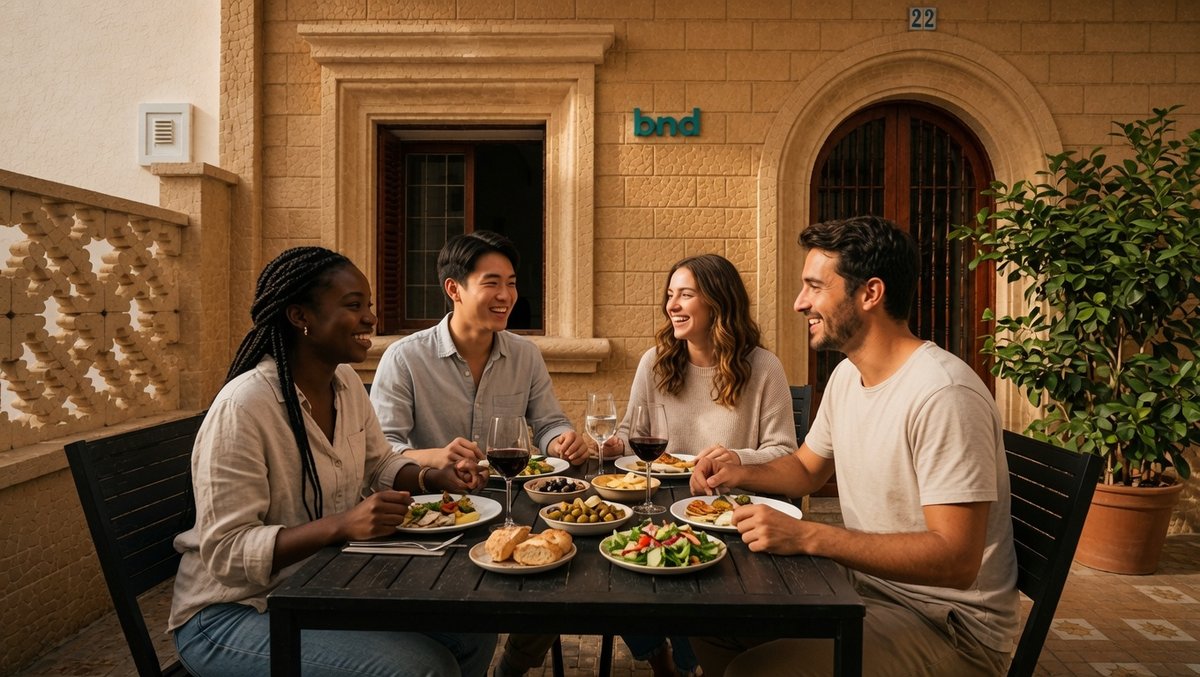
The shared kitchen acts as a natural meeting room. When you are preparing ingredients side-by-side with peers who share your professional rhythms, conversations happen organically. There is no agenda, no awkward elevator pitch—just the authentic social bonding that reduces the isolation of remote work and fosters a sense of belonging.

Why "Micro" Scale is the Magic Number

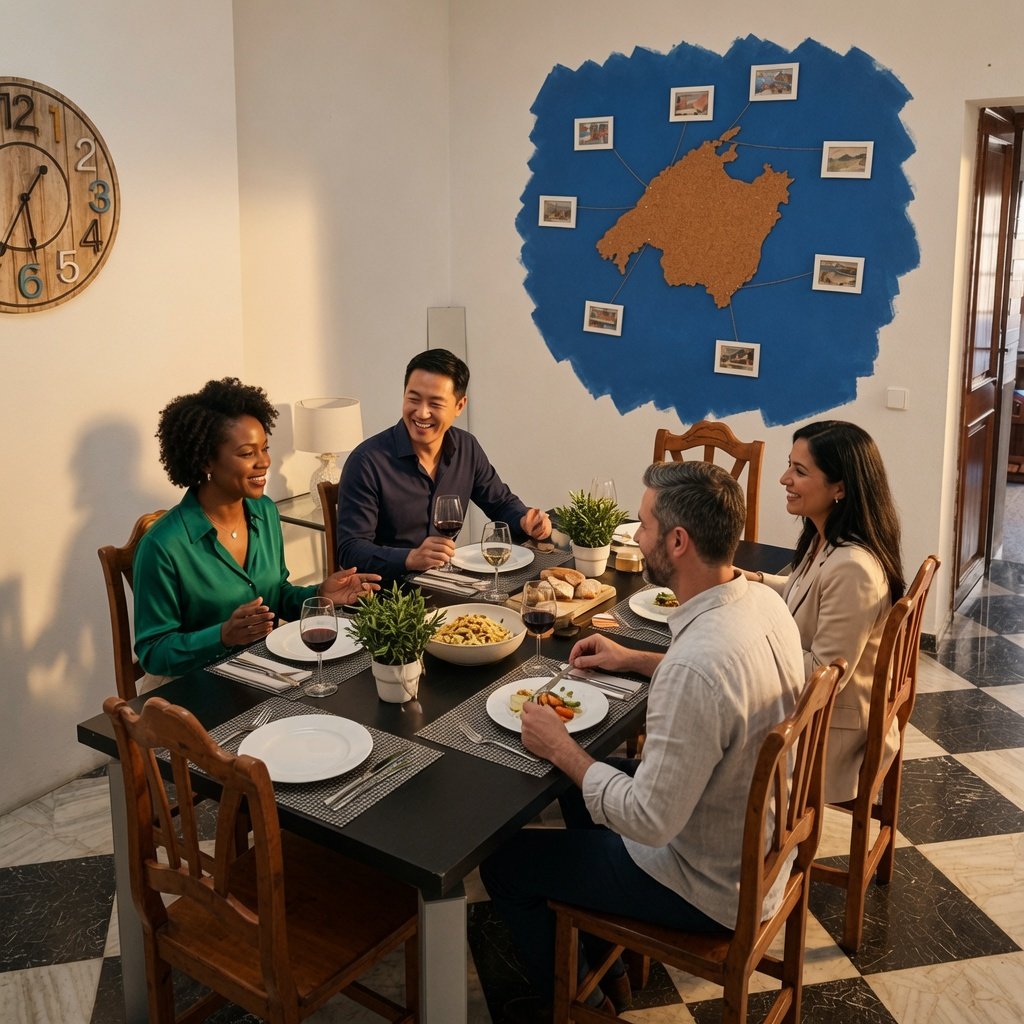
The capacity of 4–5 people at BednDesk is not an arbitrary limit; it is the "social sweet spot" for functional community living. This specific scale allows for a level of logistical ease that larger spaces simply cannot replicate.

  • Eliminating Kitchen Chaos: With only 4–5 residents, cooking schedules rarely collide, ensuring your workflow remains uninterrupted.
  • The Buffet Logic: This number is small enough that an informal buffet is logistically effortless—requiring no catering crew or complex chore charts—yet large enough to benefit from bulk shopping and shared ingredients.
  • Intimacy Over Anonymity: Unlike isolated apartments or massive coliving hubs, this scale promotes a collective standard of quality that elevates every meal.

The 60-Second Commute: From Fiber-Optic Output to Saltwater Reset

A truly optimized workation is a designed system for peak performance. At BednDesk, the daily rhythm is engineered to minimize cognitive load and maximize biological prime time:

  1. The Deep Work Phase: Morning output at an ergonomic desk equipped with dual monitors and high-speed fiber internet.
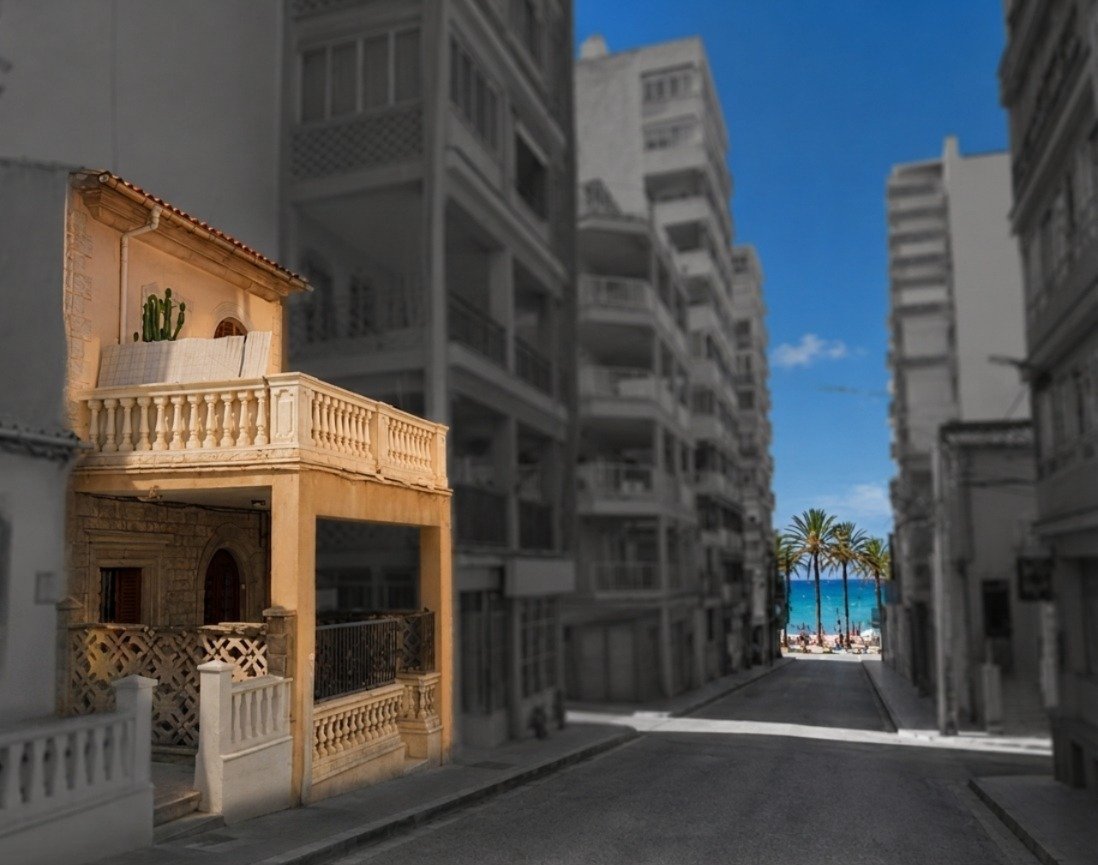
  2. The Saltwater Reset: A one-minute walk to the Mediterranean sand for a midday cognitive clearing.
  3. The Restorative Prep: An evening transition into the kitchen to prepare a nourishing meal—measured in steps, not taxis or delivery apps.

This is a workflow that respects the need for high-intensity focus and high-quality recovery.

The BednDesk Aesthetic: A Bio-hacking Lab for Professionals

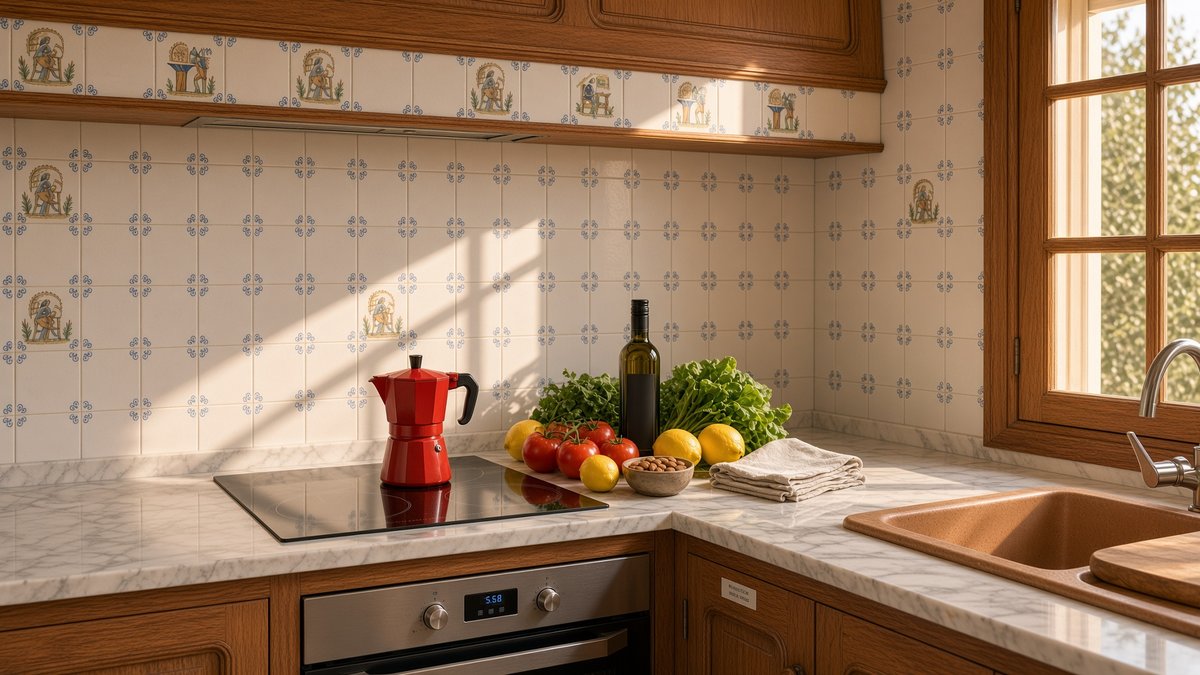
The physical environment of the BednDesk kitchen is a deliberate component of your recovery architecture. The space features traditional blue-and-white tiles, wooden cabinets, and marble-effect counters—tactile materials proven to reduce stress and promote a sense of calm.

Equipped with a high-end induction hob, full oven, and dishwasher, this is essentially a bio-hacking lab. It allows you to avoid the "post-restaurant sluggishness" triggered by heavy, processed oils and excess sodium found in tourist-facing establishments. By preparing fresh Mediterranean produce in a high-functioning space, you ensure that your next morning's deep work starts from a position of physical advantage rather than nutritional deficit.

Conclusion: Reclaiming Your Agency

A well-designed kitchen provides more than just a place to eat; it restores your agency over your health, your focus, and your social life. By removing the friction of the "tourist diet" and replacing it with an intimate, functional community space, you reclaim the energy required for both high-level professional output and deep personal recovery.

As you plan your next professional retreat, I challenge you to look beyond the desk:

Is your current accommodation a catalyst for your best work, or a friction point you're paying to overcome?

Experience the extraordinary at BednDesk, where focused work and intentional living meet.