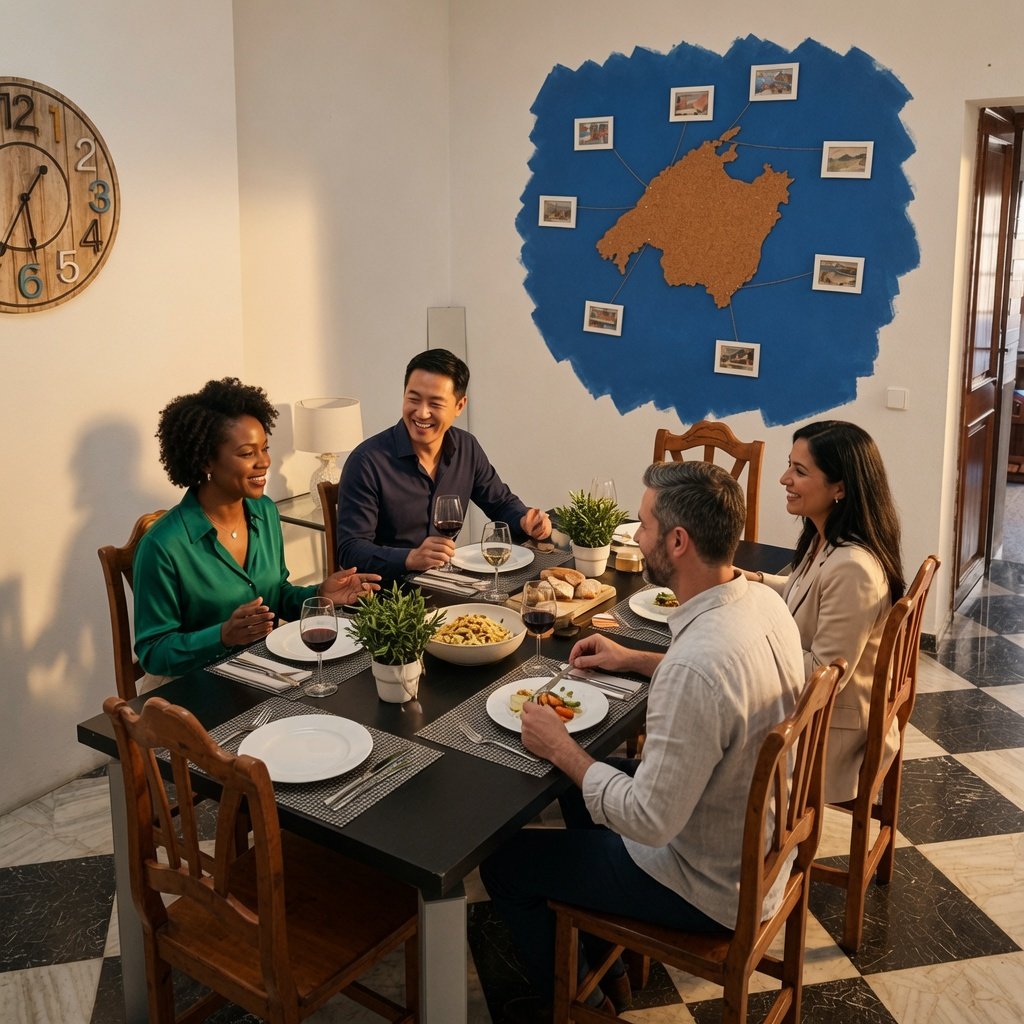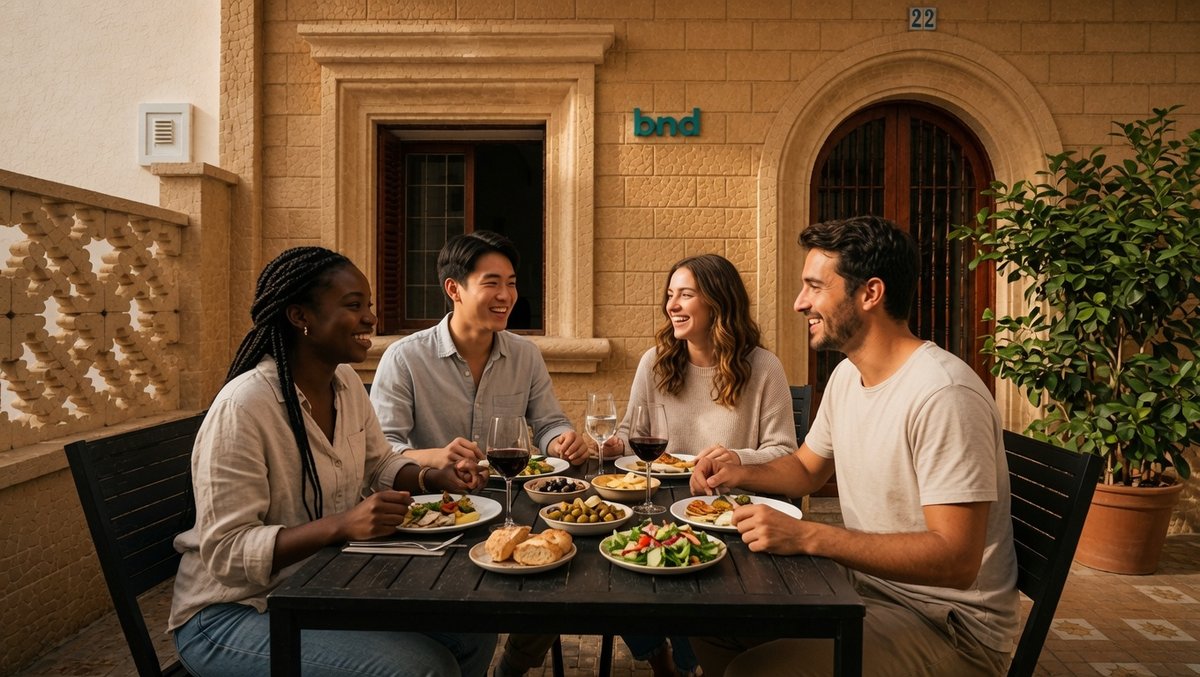
You've outgrown the hostel. You haven't outgrown the need for community.

August 07, 2026

grok-image-878af91f-6d17-43e3-89aa-20e05acc10fc (1)

Community · 30+ professionals · Co-living

You've outgrown the hostel. You haven't outgrown the need for community.

There's a specific moment most remote workers in their 30s hit: you book a co-living space, arrive with genuine excitement about meeting people, and realise within 48 hours that everyone else is at a completely different stage of life. Here's what actually fits instead.

The mismatch no one warns you about

The desire for community doesn't go away at 35. If anything it gets more specific. You want people who understand the weight of building something independently — the client decisions, the pricing questions, the particular loneliness of doing focused work without colleagues nearby. You want evenings that feel easy rather than energetic. You want to be around people whose idea of a good night is a good conversation, not a 2am bar crawl.

Most co-living spaces aren't built for that. They're built for volume and turnover and a demographic that's still in the exploratory phase — which is entirely valid, just not where you are. The result is that a lot of 30+ professionals try co-living once, find it draining rather than restorative, and conclude that community and focused remote work are simply incompatible. They aren't. The container was just wrong.

"The desire for community doesn't disappear with age. It just gets more discerning. You stop wanting more people in the room and start wanting the right ones."
What the right container actually looks like

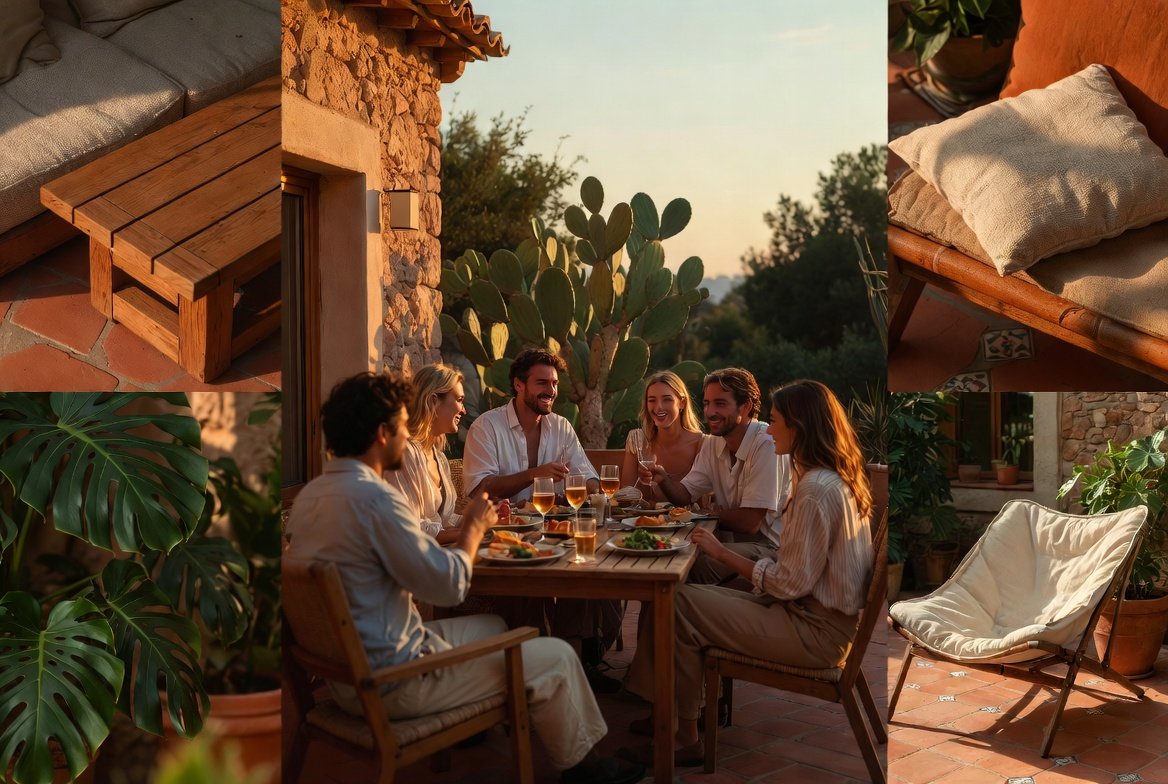
The shift that changes everything is scale. When a space is capped at four or five people, the self-selection effect kicks in immediately. People who choose an intentionally small, professionally oriented environment tend to be at a similar stage — established in their work, selective about their time, looking for calm connection rather than constant stimulation.

You don't have to navigate a revolving door of new arrivals. You don't spend energy working out which of the twelve people in the common room are worth talking to. The group is small enough that familiarity arrives quickly, trust follows, and by the middle of the week you're having the conversations that actually matter — not because anyone engineered them, but because there are only five of you and the environment is quiet enough for them to happen.

Evenings that feel optional

This is the detail that most 30+ professionals mention when they describe what they actually want: social interaction that's available but never obligatory. The ability to join dinner if you feel like it, disappear to your room if you don't, and return the next morning without social debt.

At this scale that's simply the default. No one's running group activities or scheduled mixers. A shared meal happens because a few people are hungry at the same time and the table is right there. A beach walk happens because someone mentions they're heading down and someone else says "give me five minutes." It's the low-pressure version of community that most people have been looking for without quite knowing how to describe it.

The one-minute walk to the beach becomes a shared rhythm rather than a solo ritual. That small shift — doing the same restorative thing alongside people you've come to know — is worth more than it sounds. It's the thing people describe missing when they go back to working alone.

The work side still has to work

None of this matters if the desk is wrong and the WiFi is unreliable. BednDesk in S'Arenal is built around professional infrastructure as a non-negotiable: ergonomic setups with external monitors, private meeting rooms, fibre internet. The mornings are for serious work. The evenings are for everything else. That rhythm — protected focus by day, genuine ease by evening — is what makes the whole thing sustainable rather than just appealing in theory.

The space is female-owned and LGBTQ-managed, and the atmosphere reflects that. Sophisticated, warm, and genuinely welcoming without making a performance of it.

Finding your people at the right volume

The backpacker phase served a purpose. It was the right container for that stage. So was the long stretch of solo hotels and Airbnbs that came after, when the priority was just getting the work done. What a lot of 30+ professionals are looking for now is the thing in between — community that fits the life you've built, rather than one you've already moved past.

BednDesk has coliving stays for longer visits and day passes if you want to meet the current group before committing. The atmosphere is consistent because the scale enforces it. Details at the link.